


Sugar’s Effects on the Human Body – Sugar is a chemical molecule that falls within the simple carbohydrate category. Sugar is frequently used in food and nutrition to refer to sucrose, a compound made up of two simple sugars, glucose and fructose. Glucose is the primary source of energy for body cells and is produced through the breakdown of complex carbs in diet. In contrast, fructose is commonly found in fruits, vegetables, and honey.
Humans have known and used sugar for millennia. Natural sugar was initially discovered in South Asia as sugar cane and is regarded as an important crop in ancient human culture. Since antiquity, the civilizations of Ancient Egypt, China, and India have known how to extract and refine sugar from sugar cane.
• Ancient Egypt : Since roughly 500 BC, the Egyptians have employed sugar cane as a sweetener and food preservative. Cane sugar is extracted and processed into syrup or solid sugar, which is then used to make foods and beverages.
• Ancient India : India is one of the few countries that has advanced sugar refining procedures, resulting in finer, higher-quality crystals. Cane sugar was also used in ancient Indian medical and religious practices.
• Ancient China : Cane sugar has been utilized in Chinese food and drinks from ancient times, particularly in traditional cakes and sweets.
• Europe : Sugar became a luxury item in Europe throughout the Middle Ages, after being introduced by Middle Eastern and South Asian explorers. Sugar became a highly desired and sought-after commodity during the 16th and 17th centuries, serving as a sign of prestige and riches.
• Modern Times : The process of making sugar from sugar cane and sugar beets evolved significantly throughout the industrial revolutions of the 18th and 19th centuries. Sugar processing and refining technology has boosted production efficiency, allowing for more widespread and affordable sugar distribution.
Added sugars have been a staple of the worldwide diet for the past 20 and 21 centuries, appearing in a wide range of food and beverage products. The health risks linked to excessive sugar consumption are still a worry, despite the tremendous advancements in sugar production and technology. This has prompted study and innovation into the use of alternative sweeteners and a more balanced approach to nutrition.

Source : Unsplash
Sugar Types
1. Sucrose : A natural sugar present in sugar cane and sugar beets, sucrose is also referred to as table sugar. This is the type of sugar that is most frequently found in regular meals and beverages.
2. Glucose: Made when complex carbs are broken down, glucose serves as the body’s primary energy source for cells. Carrying it throughout the body through the bloodstream, it is a significant part of blood.
3. Fructose : a naturally occurring sugar present in fruits, vegetables, nectar, and honey. Despite being a natural sugar, fructose consumption in the form of added isolates, like high fructose corn syrup, can have negative health effects.
4. Lactose: Milk and other dairy products contain lactose, a sugar. It is a blend of galactose and glucose.
5. Added Sugar : Sugar added to foods and beverages during manufacturing or preparation, such as high fructose corn syrup, brown sugar, and invert sugar.
Baca Juga : Telemedicine in the Health Sector
Functions of Sugar in the Body
- Energy Source : Sugar is the primary source of energy for body cells, particularly the brain, which uses glucose as its primary fuel.
- Metabolism : Glucose from food is transformed into energy by metabolic processes involving insulin, a pancreatic hormone.
- Taste and Texture: Sugar acts as a natural sweetener in foods and beverages while also providing texture, structure, and volume.
Although sugar is needed for energy metabolism and food sensation, excessive or added sugar consumption can lead to health issues such as obesity, type 2 diabetes, heart disease, and dental cavities. As a result, a healthy diet and active lifestyle require a balanced sugar intake.

Source : I-Stock
Who Should Consume Sugar ?
The need and amount of sugar consumed varies with age, physical activity level, health, and other factors. Here are some broad rules for who should take sugar and in what quantities:
1. All Ages : Children, teenagers, and adults use glucose as an energy source to carry out daily activities such as growth, learning, working, and exercise.
2. Athletes and Physically Active People : People who engage in strenuous physical activity or sports require more energy, which can be supplied from carbs, especially glucose derived from sugar, to promote muscle function and recovery.
3. Medical disorders : Patients with specific medical disorders, such as diabetes, hypoglycemia, or other metabolic conditions, may require careful monitoring and management of sugar consumption in order to maintain stable blood sugar levels.

Source : I-Stock
Recommended Sugar Consumption
- Health groups : Health groups such as the World Health Organization and the American Heart Association recommend limiting added sugar consumption to less than 10% of total daily energy intake, with a preference for less than 5% for maximum health advantages.
- Nutrition Label Recognition: Getting into the habit of reading nutrition labels on foods and drinks will help you detect and track your added sugar intake.
- Balanced Diet : Sugar should be incorporated into a balanced diet that includes complex carbs, protein, healthy fats, and fiber to meet the body’s energy and nutritional requirements.
Although sugar plays a crucial part in the body’s diet and metabolism, it is critical to consume it in moderation and to choose healthy, natural sources of sugar, such as fruits, vegetables, and milk, over added sugar or artificial sweeteners. Understanding your specific needs, as well as working with a health professional or nutritionist, can assist you in developing a balanced diet that matches your body’s energy and nutritional requirements.
Natural vs. Sugar-Added Sugar
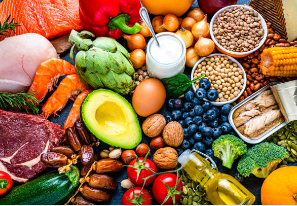
Sugar occurs naturally in many healthful meals, including fruits, vegetables, and milk, and it acts as a key source of energy for the body. However, excessive or added sugar consumption might be detrimental to one’s health. As a result, it is critical to grasp the distinctions between natural and added sugar sources, as well as the health consequences of consuming excessive sugar.
1. Natural Sugar : Sugar found naturally in foods such as fruits, vegetables, and milk is typically associated by other nutrients such as fiber, vitamins, and minerals that are beneficial to health. Natural sugars are healthful and should be consumed as part of a well-balanced diet.
2. Added Sugar : Added sugar, often known as artificial sweetener, is sugar that is added to foods and beverages during manufacturing or preparation. Excessive use of added sugar can lead to health issues such obesity, type 2 diabetes, heart disease, and dental cavities.
To summarize, sugar occurs naturally in many healthful meals and is required by the body as a source of energy. However, eating too much added sugar might be bad for your health. To support optimal health and well-being, it is essential to consume sugar in balanced proportions, pick healthy and natural sources of sugar, and live an overall healthy lifestyle.
Granulated sugar, often known as sucrose, is the most common type of sugar used to sweeten food and beverages. Granulated sugar is chemically made up of two simple sugars: glucose and fructose. Granulated sugar can provide fast energy and enhance the sweetness of foods and drinks, but excessive or long-term intake can be harmful to one’s health.
Source : I-Stock
Health Effects of Excess Sugar Consumption.
1. Obesity : Consuming too much granulated sugar might raise the risk of becoming obese due to the high calorie content and lack of other nutrients in foods containing added sugar.
2. Insulin Resistance and Diabetes : Consuming table sugar can lead to insulin resistance, which occurs when the cells in the body become less receptive to insulin, the hormone that regulates blood sugar levels. This may raise the chance of developing type 2 diabetes.
3. Heart Disease : High added sugar diets, especially table sugar, have been related to an increased risk of heart disease, such as high blood pressure and LDL cholesterol.
4. Dental Caries: Bacteria in the mouth convert granulated sugar into acid, which damages tooth enamel and leads to the formation of dental caries.
5. Impaired Metabolism and Liver Function : Consuming too much sugar, particularly fructose, increases the risk of nonalcoholic fatty liver disease and fat metabolism disorders.
6. Increased Cancer Risk : Some studies have found a link between excessive sugar consumption and an increased risk of some types of cancer, but the data is limited.
7. Mood Disorders and Mental Well-Being : Sugar-rich diets have been related to mood swings, anxiety, depression, and other mental health issues, however the underlying mechanisms are not entirely known.

Source : I-Stock
Healthy Sugar Substitutes
If you want to lower your sugar intake or find a healthy alternative, there are various sugar substitute options to consider. Here are some healthier, natural sugar substitutes :
1. Stevia: Stevia is a natural sweetener derived from the leaves of the Stevia rebaudiana plant. Stevia is a popular alternative to table sugar due to its intense sweet taste and low calorie content. Stevia is a sugar alternative that can be used in a variety of foods and beverages.
2. Honey is a natural sweetener made by bees from floral nectar. Honey has a naturally sweet taste and is more nutritious than granulated sugar. Honey contains vitamins, minerals, antioxidants, and enzymes, which may have extra health benefits.
3. Maple Syrup : Maple syrup is a natural sweetener derived from maple sap. Maple syrup has a rich, sweet flavor and high nutritional value, containing antioxidants and minerals like calcium, potassium, and magnesium.
4. Curcumin (Turmeric): Curcumin is an active component found in turmeric, a spice that is widely used in culinary and traditional medicine. Curcumin has a naturally pleasant flavor and contains anti-inflammatory and antioxidant properties.
5. Erythritol : Erythritol is a natural sweetener obtained by the fermentation of natural sugar. Erythritol has a sweet flavor similar to table sugar, but with less calories and a reduced impact on blood sugar.
6. Monk Fruit (Soursop Fruit): Monk fruit, or soursop fruit, is a natural sweetener made from monk fruit. Monk fruit has a pronounced sweet flavor and is low in calories, making it an ideal substitute for granulated sugar.

Source : Unsplash
Tips for Healthy Sugar Replacement
- Reduce Added Sugar Consumption : Choosing nutrient-rich, low-sugar foods and beverages can promote health and well-being.
- Getting Used to Natural Sweet Tastes : Gradually reducing your intake of added sweeteners and becoming accustomed to the naturally sweet taste of fruits, vegetables, and other foods will help lessen cravings for added sugars.
- Consultation with a Health Professional : If you have a medical problem or require particular guidance on appropriate sugar alternatives for your needs, speaking with a nutritionist or other health professional can help you make the best decision.
To summarize, there are numerous healthier and natural alternatives to sugar that you can consider in order to reduce your sugar consumption and promote a healthier lifestyle. Using natural sweeteners like stevia, honey, maple syrup, curcumin, erythritol, and monk fruit, as well as low-sugar foods and drinks, will help you maintain your health and well-being.
Sugar is a chemical molecule that falls within the simple carbohydrate category. Sugar is frequently used in food and nutrition to refer to sucrose, a compound made up of two simple sugars, glucose and fructose. Glucose is the primary source of energy for body cells and is produced through the breakdown of complex carbs in diet.
Sugar’s Effects on the Human Body


